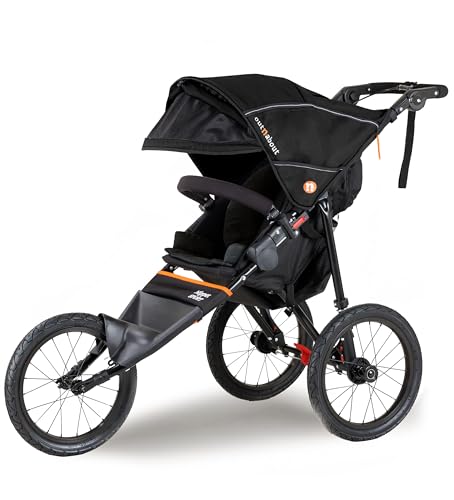
The Versatile World of Three-Wheeled Buggies: A Comprehensive Guide
Three-wheeled buggies represent a special segment in the realm of transportation and recreation. These distinct vehicles combine mobility with convenience, using ingenious solutions for numerous activities-- whether for leisure, sport, or daily jobs. In this article, we will explore the features, advantages, and choices offered in the market for three-wheeled buggies. Furthermore, we will attend to typical concerns and offer a practical comparison table for various designs.
What is a Three-Wheeled Buggy?
A three-wheeled buggy is a lightweight, frequently compact car designed primarily for transportation or pastime. The style includes one wheel at the front (or, sometimes, at the rear) and 2 wheels at the back (or vice versa). These buggies can be manual or powered and are typically utilized in various applications, including:
- Recreational Activities: For leisure rides, racing, or off-road experiences.
- Transport Needs: For people with movement obstacles or for fetching goods in tight spaces.
- Sporting Events: Like racing or specific sports created for three-wheeled cars.
Why Consider a Three-Wheeled Buggy?
Three-wheeled buggies included a variety of benefits, making them appealing to a diverse audience. Here are some reasons that one might think about purchasing a three-wheeled buggy:
1. Stability
The unique wheel arrangement offers enhanced stability compared to traditional bicycles and scooters, making it ideal for users of all ages and physical capabilities.
2. Maneuverability
With a compact style, three-wheeled buggies can easily browse through tight areas where bigger automobiles might have a hard time.
3. Versatile Use
From recreation to energy, three-wheeled buggies serve different purposes, making them a multifunctional option.
4. Security Features
Many contemporary buggies include safety functions such as seat belts, roll bars, and enhanced braking systems, providing additional comfort for users.
5. Ecological Benefits
Electric designs promote a greener means of transport, minimizing the carbon footprint and promoting sustainable living.
6. User-Friendly
Three-wheeled buggies frequently need less physical effort to run, making them accessible to a larger audience-- consisting of senior citizens and people with impairments.
Table: Comparison of Popular Three-Wheeled Buggies
Here is a contrast table of a few of the most popular three-wheeled buggies on the market:
| Model Name | Type | Wheel Configuration | Max Speed | Weight Capacity | Cost Range |
|---|---|---|---|---|---|
| XYZ Trike | Manual | 1 Front, 2 Rear | 10 mph | 300 pounds | ₤ 300 - ₤ 500 |
| ABC Electric Buggy | Electric | 1 Front, 2 Rear | 15 mph | 400 pounds | ₤ 800 - ₤ 1200 |
| RST Sport TriCycle | Racing | 1 Front, 2 Rear | 20 miles per hour | 250 lbs | ₤ 900 - ₤ 1500 |
| Adaptive Cruiser | Adaptive | 1 Front, 2 Rear | 8 miles per hour | 350 pounds | ₤ 600 - ₤ 900 |
| Off-Road Explorer | Off-Road | 1 Front, 2 Rear | 12 mph | 350 lbs | ₤ 1000 - ₤ 1800 |
Elements to Consider When Choosing a Three-Wheeled Buggy
When selecting a three-wheeled buggy, several essential elements should be thought about to make sure that it fulfills the user's specific needs. These consist of:
1. Planned Use
Figure out whether the buggy will be utilized for leisure, sport, or transport purposes, as this will considerably influence the style and functions needed.
2. Weight Capacity
Guarantee that the buggy can accommodate the weight of the user and any extra cargo, particularly for those preparing to utilize it for transport.
3. Modification Options
Explore models that provide adjustable features or custom-made choices to improve convenience and performance.
4. Storage Needs
Think about whether the buggy has adequate storage alternatives for ease of usage, especially if it will be used for errands or traveling.
5. Budget plan
Three-wheeled buggies been available in different costs, so it's important to find a model that fits within the budget while still fulfilling quality and functional needs.
Frequently Asked Questions About Three-Wheeled Buggies
1. Are 3 Wheeler Pushchair -wheeled buggies safe for kids?
Yes, lots of three-wheeled buggies are designed with safety in mind and can accommodate children, but it's important to inspect the maker's age recommendations and security features to ensure suitable usage.
2. What is the optimum speed of a three-wheeled buggy?
The maximum speed differs by design. Manual buggies normally have slower speeds (around 10 miles per hour), while electrical models can reach speeds of up to 15-20 miles per hour.
3. Can three-wheeled buggies be utilized on rough terrain?
Some models are specifically designed for off-road use and come equipped with larger tires and improved suspension systems, permitting them to manage rough surface easily.
4. Is it required to wear a helmet when utilizing a three-wheeled buggy?
While not always legally required, using a helmet is extremely recommended for safety, especially for manual and racing designs.
5. Can I ride with a guest on a three-wheeled buggy?
Lots of designs can accommodate several guests, however it's vital to examine the weight limitation and style specifications to make sure security.
Three-wheeled buggies represent a versatile and practical solution for different mobility needs. They integrate enjoyable, stability, and performance, making them ideal for a broad spectrum of users. Comprehending the various designs, features, and factors to consider highlighted in this guide will assist individuals make notified decisions when picking the right three-wheeled buggy for their lifestyle. Whether for entertainment, transportation, or sport, these unique cars make certain to boost movement and pleasure in any setting.